Gables Queen Anne is a multifamily development that expands housing supply and enhances neighborhood connectivity in Seattle's Upper Queen Anne neighborhood. Upper Queen Anne is one of Seattle's most affluent and supply-constrained residential neighborhoods, offering quiet living, boutique retail, access to major employment centers, nearby parks and recreation, and highly rated public schools. Completed in late 2024, the seven-story project replaced an aging suburban-format grocery store and surface parking lot with a thoughtfully designed residential and retail asset that integrates housing, daily-needs retail, and public spaces.
The development, which was informed by extensive public outreach conducted in coordination with the City of Seattle, includes 325 apartment homes above two stories of underground parking and a new 50,000-square-foot Safeway alongside a publicly accessible plaza that helps strengthen neighborhood connectivity. Together, these improvements transformed an underutilized site into a walkable and welcoming destination that aligns with the neighborhood's urban fabric and sustainability goals.
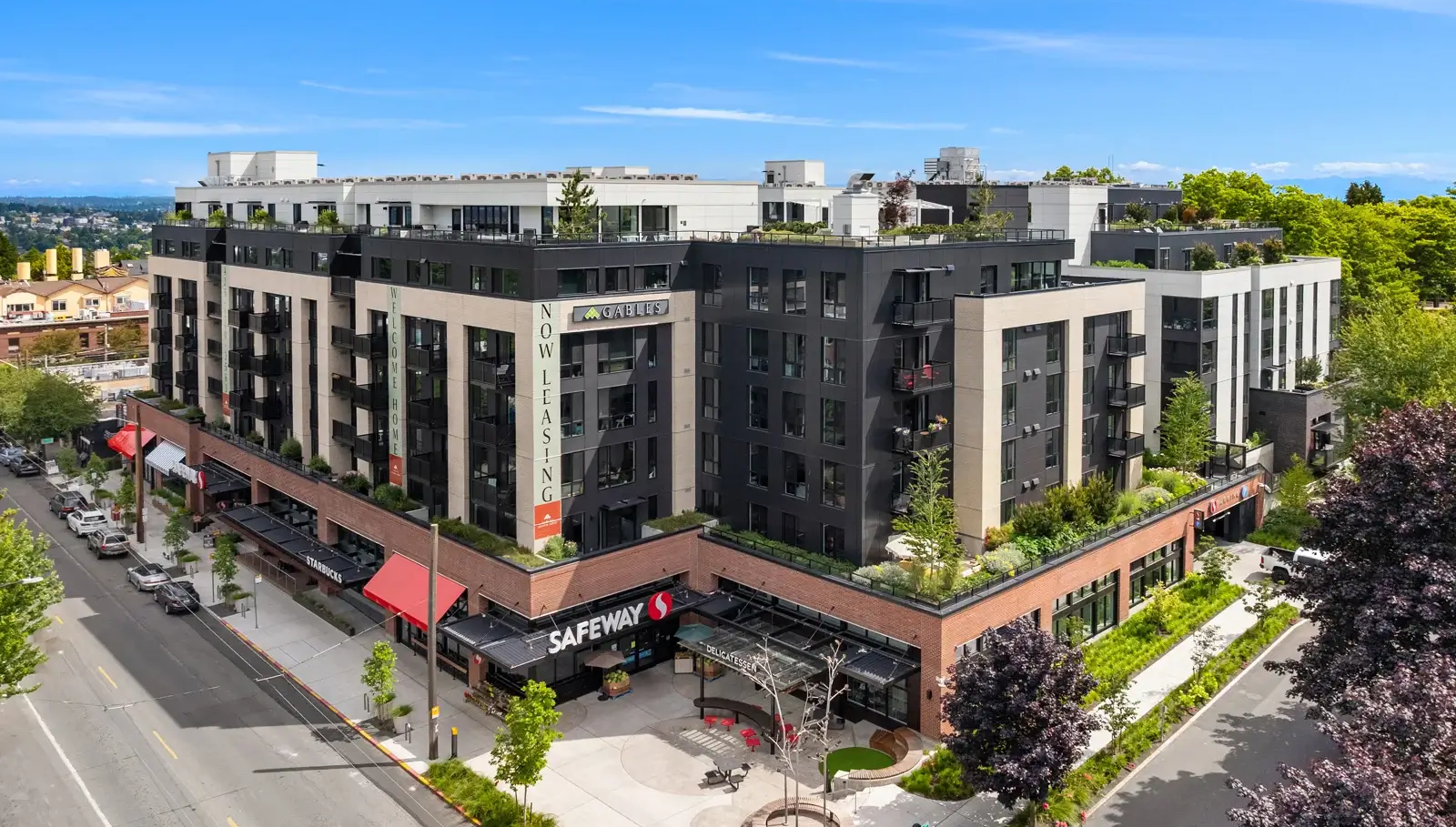
Environmental sustainability was a core feature of the project's design and execution. LEED Gold* and Fitwel** certifications reflect the integration of energy- and water-efficient features, including ENERGY STAR appliances, LED lighting, WaterSense toilets, and fresh air circulation systems, which support long-term operating performance and resident well-being. Additional community features, including rooftop gardens, EV charging stations, and advanced recycling and composting programs, further promote resource conservation and environmentally responsible operations.
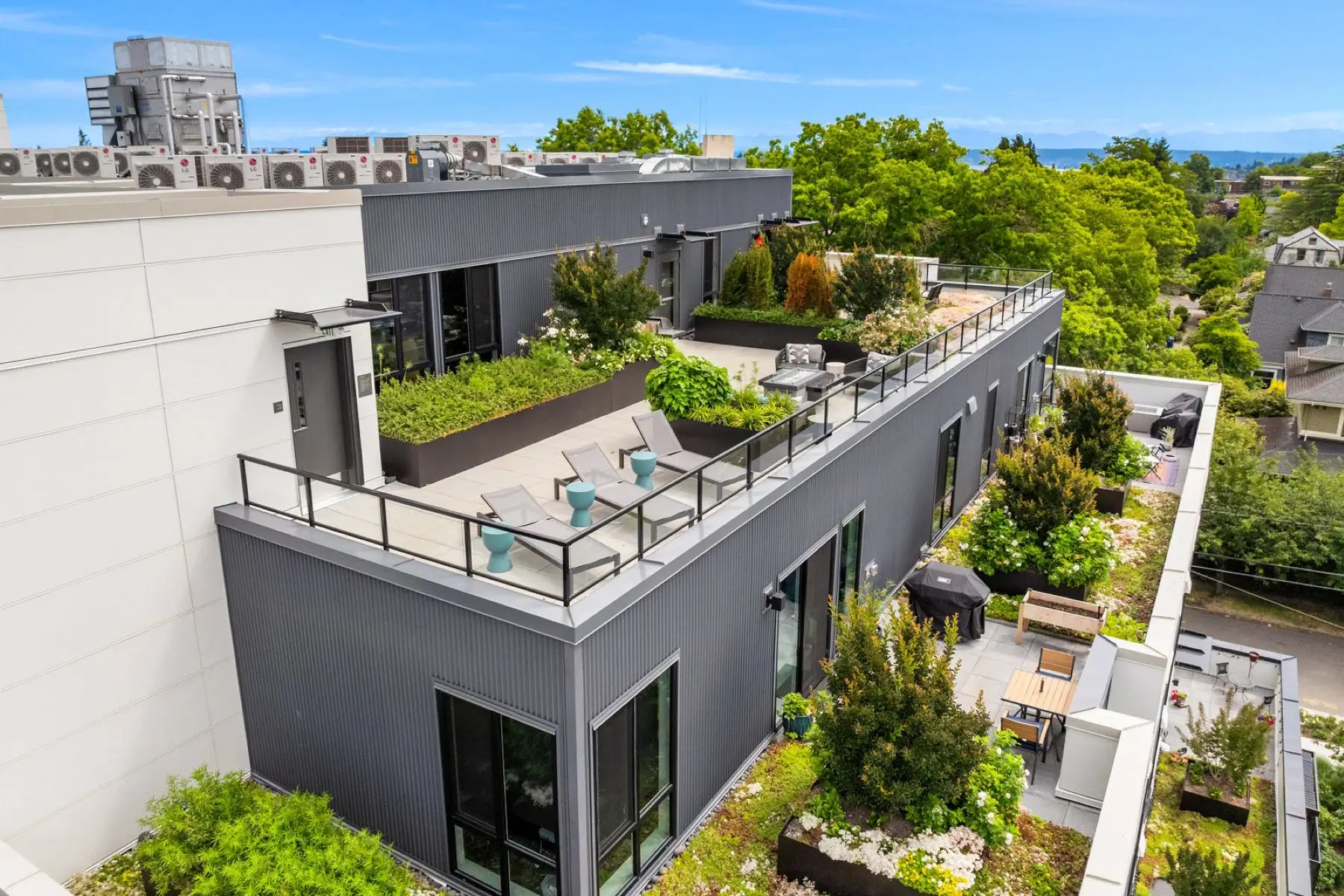
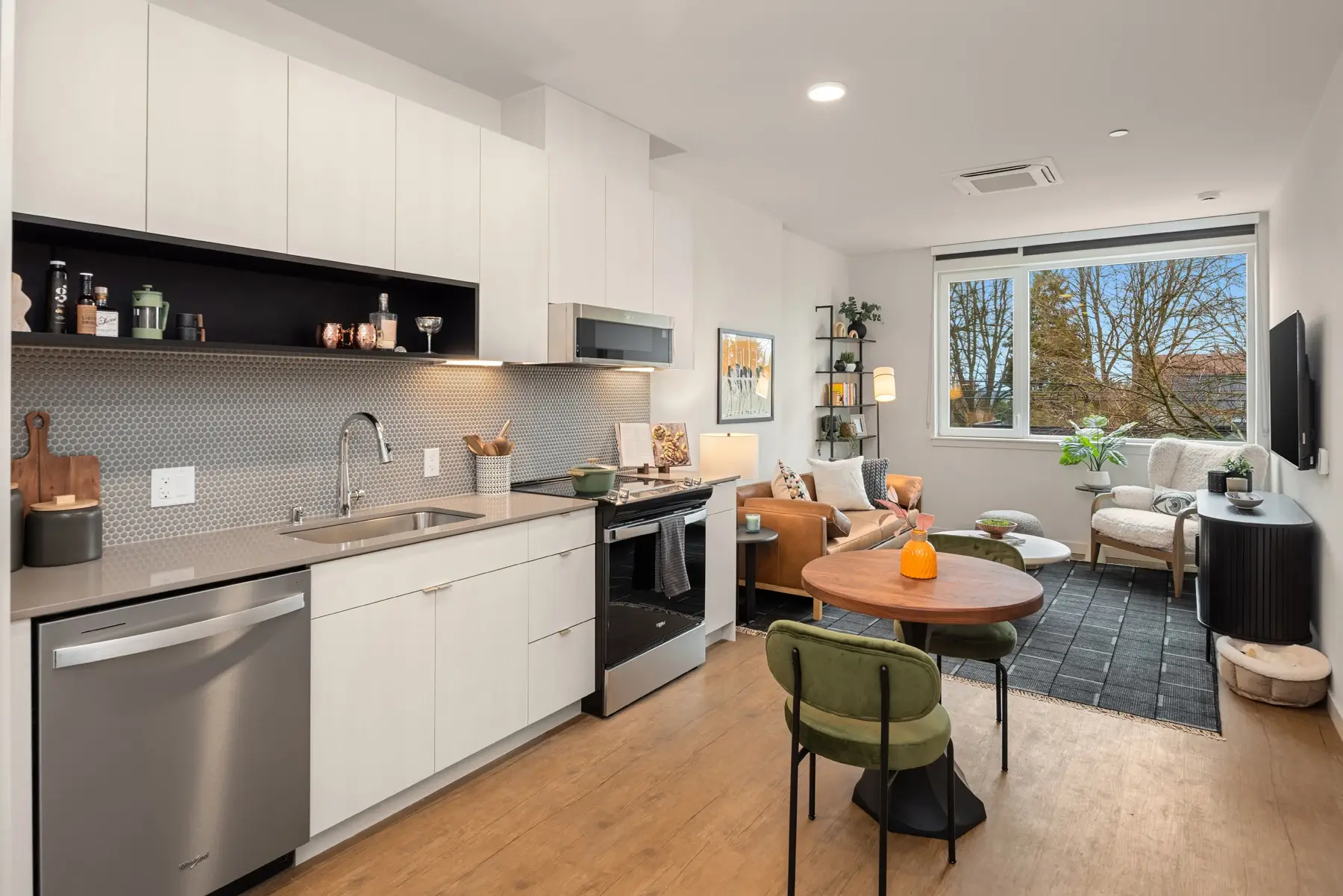
Through sustainable design and neighborhood-serving retail, Gables Queen Anne demonstrates how thoughtfully planned infill development can create lasting value for residents and the surrounding community. The project reinforces Gables Residential's commitment to responsible development in high-barrier urban markets while illustrating how integrating a neighborhood-serving grocery component can support community resilience and long-term value creation.